
Ambient, Task, and Accent Lighting: The Complete Home Lighting Guide
Lighting is one of the most powerful tools in interior design. It affects not only how a space looks but how it feels. Whether you’re renovating, redecorating, or starting from scratch, understanding the three core types of lighting—ambient, task, and accent lighting—is key to creating a comfortable and functional home.
In this complete guide, we’ll break down what each type of lighting is, how to use it, and the best fixtures to achieve the perfect layered lighting effect in any room.
What Is Ambient Lighting?
Ambient lighting, also known as general lighting, provides the overall illumination in a room. It sets the tone and ensures people can move around safely and comfortably.
Best Uses:
Ambient lighting serves as the foundational layer of illumination in a home, setting the overall tone and mood in each room. In living rooms, ambient lighting is best achieved through a combination of ceiling lights, such as chandeliers or flush fixtures, and strategically placed floor or table lamps. This provides a soft, evenly distributed light ideal for relaxation or entertaining guests. For bedrooms, ambient lighting should promote comfort and tranquility. Soft, dimmable overhead lights or pendant fixtures combined with bedside lamps help create a calming atmosphere suitable for winding down in the evening. In hallways, ambient lighting is essential for safe navigation and should be consistent throughout the space. Recessed ceiling lights or wall sconces work well to offer gentle illumination without overpowering the narrow area. Finally, in kitchens, ambient lighting must balance functionality with aesthetics. Ceiling fixtures or recessed lights provide general illumination, ensuring the space is bright and welcoming while still allowing for additional task lighting where needed, such as over countertops and cooking areas.
Popular Ambient Lighting Fixtures:
Ceiling lights are popular for ambient lighting because they offer even, widespread illumination that fills a room with a soft, welcoming glow. Positioned overhead, they save space while effectively lighting large areas. Their versatile designs also complement a range of interior styles.


Floor lamps are a popular choice for ambient lighting as they provide soft, diffused light that enhances a room’s atmosphere. They’re easy to move, require no installation, and add both function and style to any space. Their varied designs make them suitable for many décor styles.
Pro Tip:
Use dimmers for ambient lighting to adjust brightness based on time of day and mood.
2. What Is Task Lighting?
Task lighting is all about function. It focuses light on specific areas where you need better visibility to perform tasks such as reading, cooking, grooming, or working.
Best Uses:
Task lighting is essential for providing focused illumination in areas where specific activities are performed, ensuring both functionality and visual clarity. In kitchen counters, task lighting is crucial for food preparation and cooking tasks. Under-cabinet lighting is particularly effective here, as it directs light onto the work surface without casting shadows, making chopping, mixing, and reading recipes easier and safer. For desks and home offices, task lighting should reduce eye strain and support concentration. Adjustable desk lamps with focused beams or LED task lights allow for customization of light direction and intensity, making them ideal for reading, writing, or computer work. In bathroom areas, proper task lighting is vital for grooming activities like shaving or applying makeup. Wall-mounted sconces on either side of the mirror or integrated LED mirror lights provide even, shadow-free illumination directly on the face, enhancing visibility and precision.
Popular Task Lighting Fixtures:
Desk and table lamps are ideal for task lighting, offering focused illumination for activities like reading, writing, or computer work. Their adjustable designs direct light precisely where it’s needed, reducing eye strain. Compact and stylish, they also complement a variety of workspaces.


Mirror lights, especially bathroom wall lights, are commonly used for task lighting as they provide clear, focused illumination for grooming tasks like shaving or applying makeup. Installed at face level, they reduce shadows and improve visibility. Their sleek designs also enhance the bathroom’s functionality and style.
Pro Tip:
Look for task lights with adjustable arms and brightness levels for flexibility and eye comfort.
What Is Accent Lighting?
Accent lighting is the finishing touch in your lighting plan. It adds drama, depth, and highlights architectural features or decor—think of it as the “spotlight” for your favorite pieces.
Best Uses:
Accent lighting is used to draw attention to specific features or areas, adding depth, drama, and visual interest to a space. When highlighting artwork with picture lights, this type of lighting should be positioned above or just in front of the piece to cast an even glow across the surface, enhancing colors and details without creating glare. Picture lights or adjustable spotlights are ideal for this purpose, turning art into a focal point. For illuminating plants or textured walls, accent lighting adds dimension and ambiance. Uplights or directional spotlights placed at the base of plants or angled toward textured surfaces like stone or brick create dynamic shadows and highlights, emphasizing natural shapes and architectural details. In outdoor landscape lighting, accent lighting enhances curb appeal and safety while highlighting specific features such as trees, pathways, garden beds, or water elements. Low-voltage spotlights, well lights, or bollard lights are commonly used to create visual interest and depth, transforming outdoor spaces into inviting and attractive nighttime environments.
Popular Accent Lighting Fixtures:
Picture lights are a popular choice for accent lighting, designed to highlight artwork, photos, or decorative features. They draw attention to specific elements by casting a focused, gentle light, adding depth and visual interest. Their subtle design blends seamlessly with various interior styles.
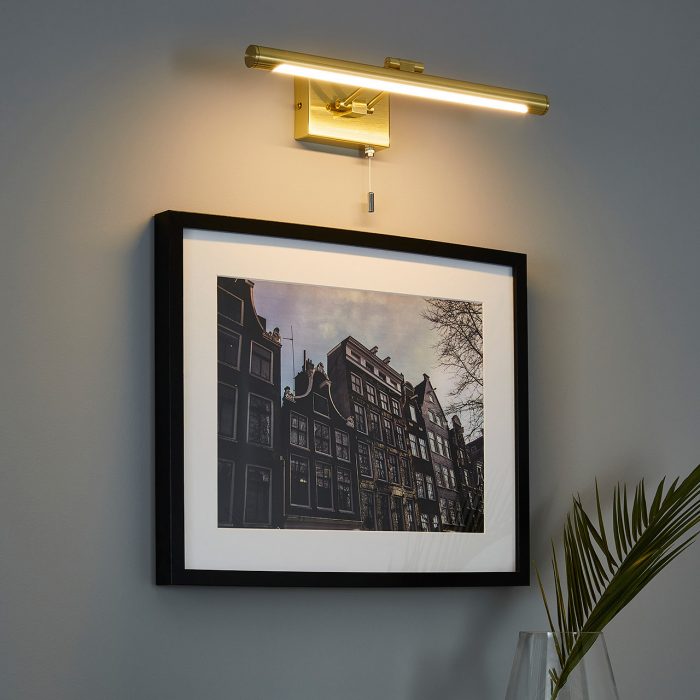

In outdoor settings, accent lighting is used to highlight specific features such as trees, garden sculptures, architectural details, or pathways. It adds visual interest and depth by creating contrast and shadow, enhancing the landscape’s appearance at night. Techniques like up & downlighting, and spotlighting help draw attention to focal points while also improving safety and ambiance. (Marta Up & Down Wall Light)
Pro Tip:
Accent lighting should be about three times as bright as the surrounding ambient light to create visual interest.
Choosing the Right Fixtures for Your Style
Browse our Online Lighting Shop to find options that match your design taste and lighting needs.
We offer a curated collection of ambient, task, and accent lighting fixtures for every room and budget. Enjoy fast shipping, expert support, and easy returns.
Comments are closed here.